

How to Improve Your Water?
Explore how impurities can affect your water, and how Kinetico's water softening and filtration systems can help protect you.
What is Problem Water?
Problem water is water that may contain a variety of contaminants, each of which can have different effects on your home's plumbing, appliances, and more. Signs of these contaminants can include:
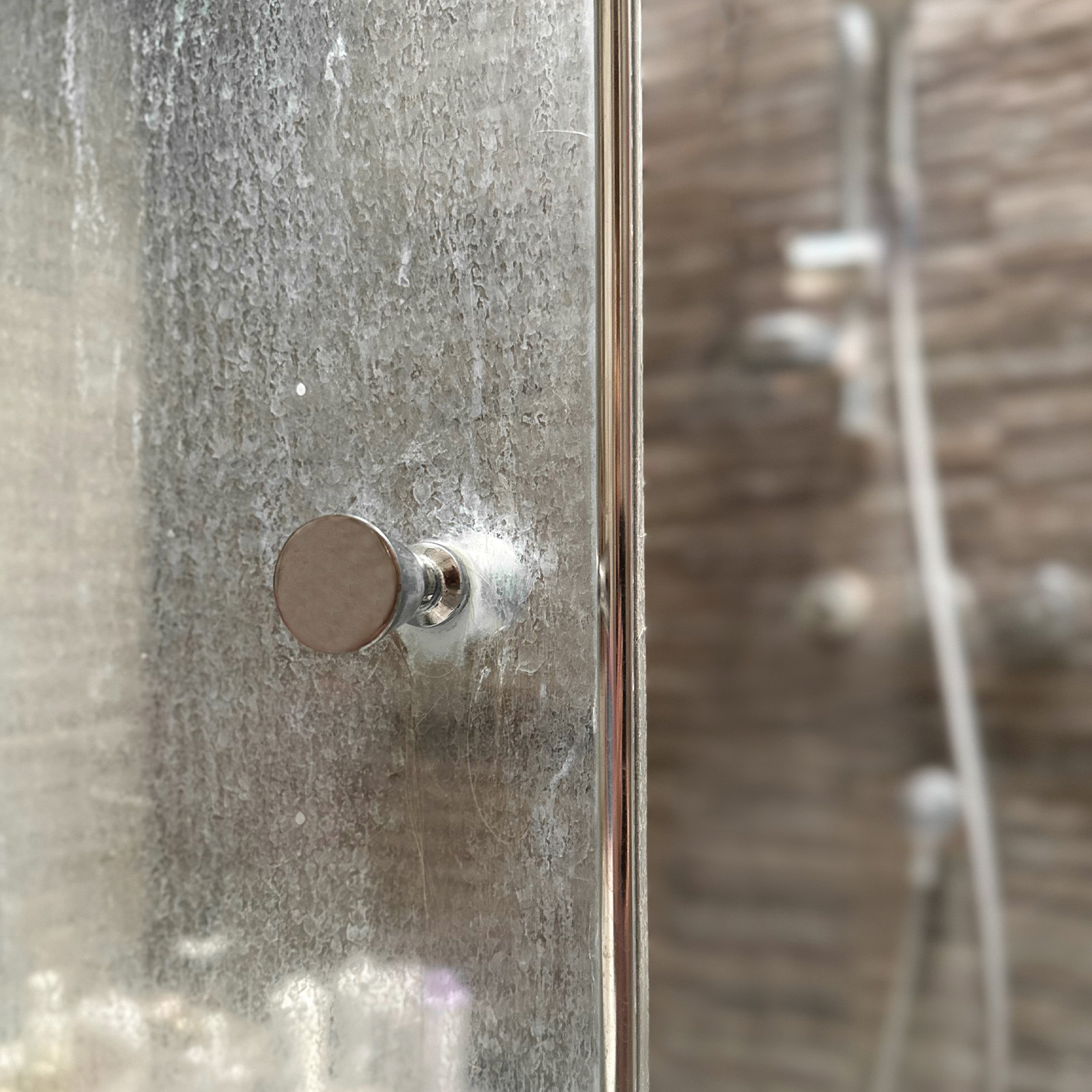
Scale: Effects of hard water can be seen as water spots on dishes, or scale buildup on faucets and shower heads.
Mineral Buildup: Buildup on surfaces, glass, and appliances can indicate that you have a heavy amount of minerals present in your water.
Odd Tasting & Smelling Water: If your water has an odd taste or smell, it can indicate a variety of issues, such as an excessive amount of chlorine in your water, or potentially algae blooms in your water sources.
Low Water Pressure: Low water pressure often points to a buildup of minerals, or scaling, in your home's plumbing.
Dry Skin & Hair: Hard water can occasionally cause issues with your hair and skin, causing it to become dry, and in some cases, irritated.
What is Hard Water?
Many water supplies naturally contain minerals such as calcium, magnesium, and iron, which contribute to hard water. Soft water, on the other hand, is water that has had these minerals removed, leaving it free from the scale-causing elements that can affect plumbing, appliances, and daily household use.
According to the U.S. Geological Survey, approximately 85% of water in the United States is considered hard. Whether your water comes from a private well or a municipal system, there’s a high likelihood that you have hard water. While drinking hard water is generally not considered a health risk, it can cause numerous household issues, including scale buildup in pipes and appliances, cloudy dishes, soap scum, and even skin and hair problems such as dryness or irritation.
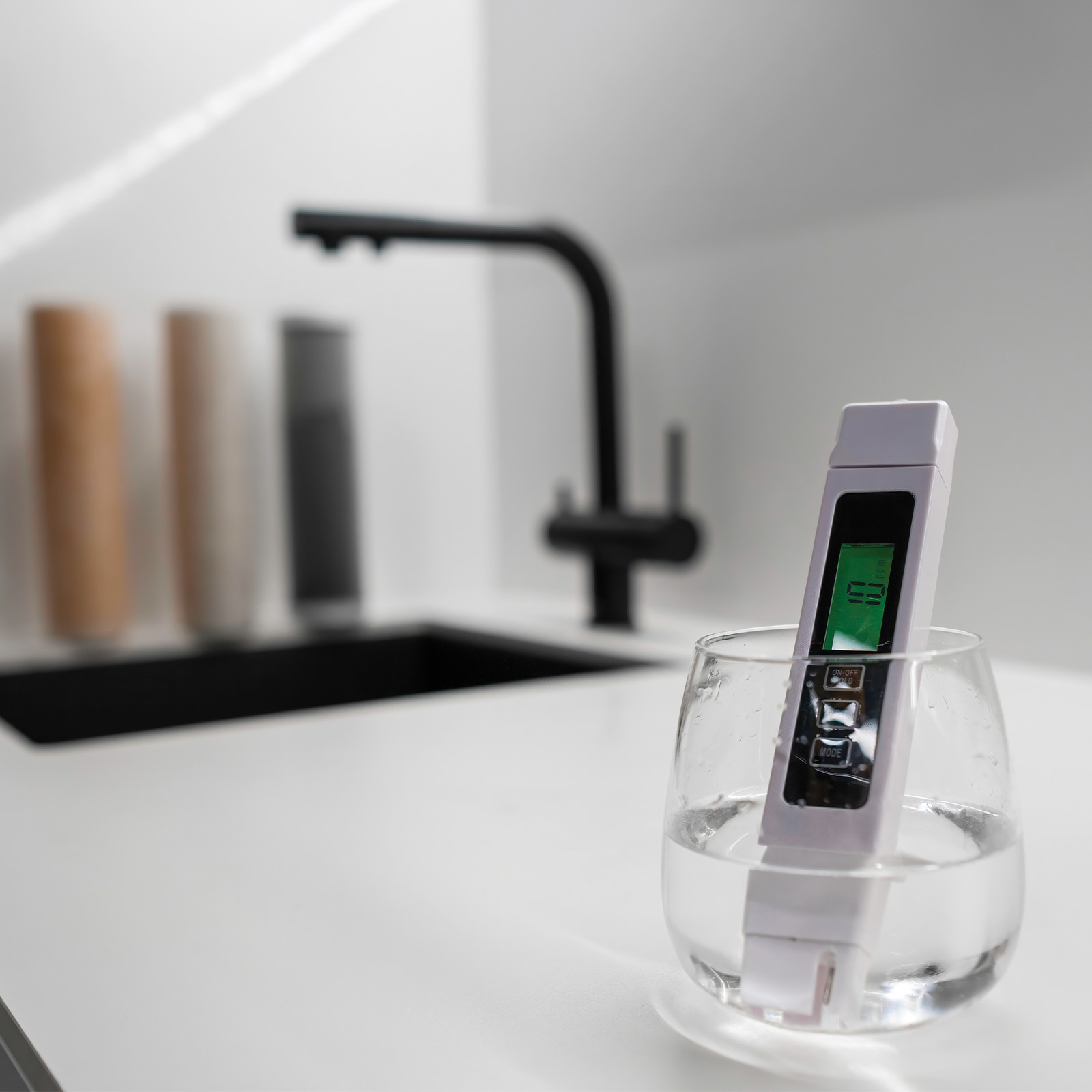
Water hardness is typically measured in grains per gallon (gpg) or parts per million (ppm). Water with as little as one grain per gallon is classified as slightly hard, while higher measurements indicate increasingly hard water. Understanding your water’s hardness level is the first step toward determining whether a water softening system or other treatment solution is necessary to improve water quality, protect your plumbing, and enhance everyday comfort in your home.
Explore Our Water Treatment Systems!


How to Improve Your Water?
Explore how impurities can affect your water, and how Kinetico's water softening and filtration systems can help protect you.
What is Reverse Osmosis?
Reverse osmosis, commonly called RO, is a water treatment process in which water is forced through a semi-permeable membrane that removes impurities, contaminants, and dissolved solids. RO systems are highly effective at producing clean, great-tasting water by reducing substances such as chlorine, lead, nitrates, fluoride, and total dissolved solids (TDS). Beyond improving taste and odor, reverse osmosis can also protect appliances and plumbing from mineral buildup caused by hard water.
In 2025, RO technology has become a standard solution for homeowners seeking high-quality drinking water, offering peace of mind and improved water safety. RO systems can be installed at the point of use, such as under the kitchen sink, or as part of a whole-home water treatment plan, depending on your water quality needs and household usage. Regular maintenance, including membrane replacement, ensures that RO systems continue to deliver optimal contaminant removal and cleaner, safer water for drinking, cooking, and other household needs.
How Does Reverse Osmosis Work?
The reverse osmosis process uses a semi-permeable membrane to separate water from contaminants. “Semi-permeable” means that some things can pass through and others can’t. A familiar example would be your furnace’s air filter. A key difference in semi-permeable membranes for water treatment is that they allow passage based on the size of the particle and its molecular charge. Typical air filters separate the contaminants exclusively by size. Holes, or pores, in the RO membrane are just big enough for the passage of a water molecule. Even small particles such as tobacco smoke or paint pigments are too big to flow through an RO membrane. At this point, because the membrane only lets certain molecules pass through, there is some waste. The waste, a highly concentrated solution of contaminants, is sent to the drain. You are left with virtually contaminant-free, clean water that makes it through the membrane. This is called a permeate stream, or as we like to say, great-tasting, filtered water.
Reverse osmosis technology relies on pressure to push the water molecules through the membrane. Water pressure varies by water source. City water is supplied between 40 and 100 psi (pounds per square inch). Well water is delivered between 20 and 60 psi, depending on your pump. The production rate of the reverse osmosis membrane is dependent on factors such as temperature, pressure and Total Dissolved Solids (TDS) levels. Since reverse osmosis works slowly, most RO systems include a storage tank that collects treated water. This feature is included so you can fill your glass or pitcher with clean water whenever you want it.
Because reverse osmosis water is so pure, it can pick up bad tastes and odors from the storage tank’s bladder or walls if it is stored for long periods of time. Running the water through a postfilter once it leaves the storage tank will remove residual tastes or odors before the water is dispensed.

Benefits of the Kinetico K5 Drinking Water Station®
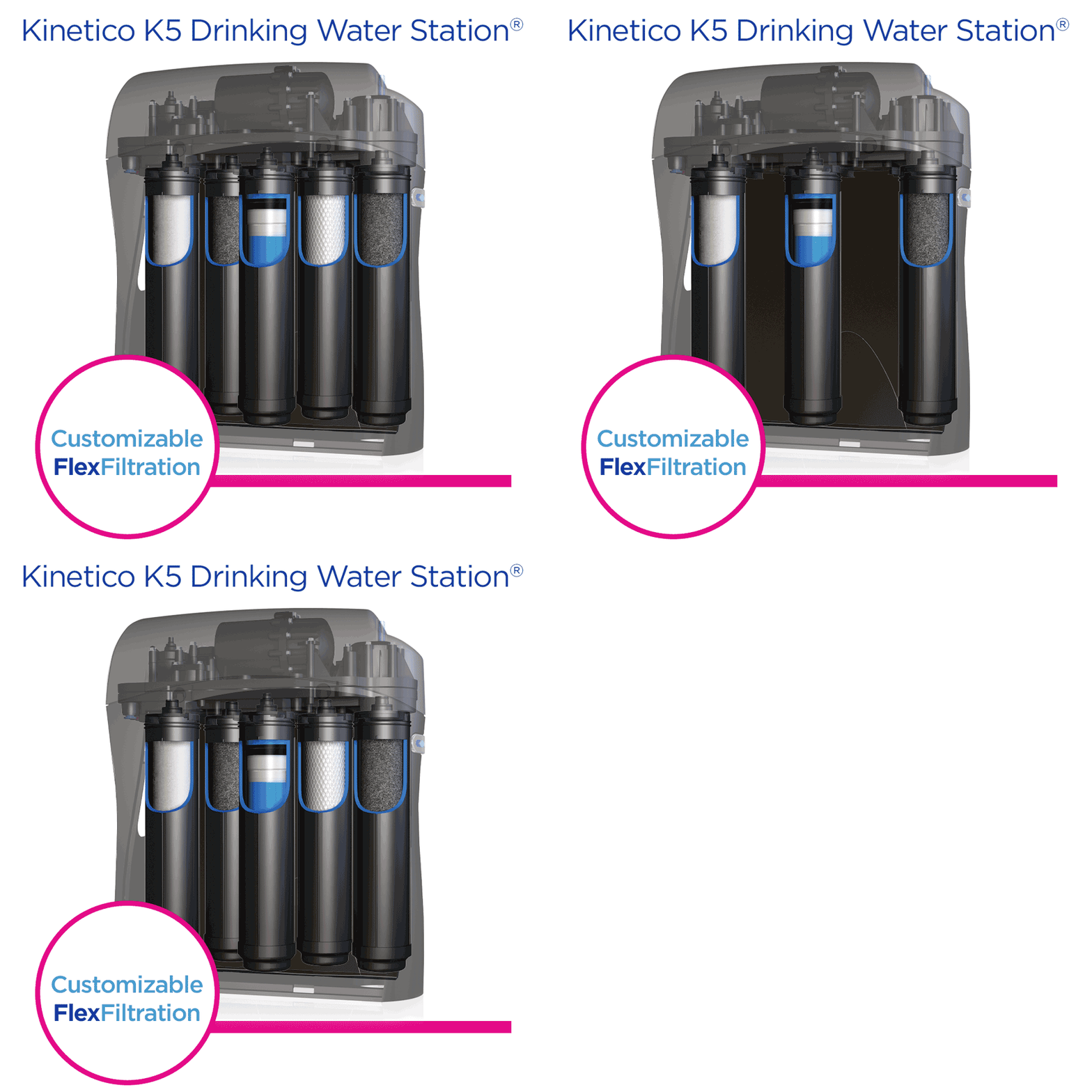
QuickFlo® Technology: The K5 with VOC Guard features QuickFlo® technology to deliver a strong, steady stream of high-quality water when you want it.
Non-Electric Operation: The K5 does not need any electricity to clean your home's water. It relies purely on the water it cleans to keep it moving!
VOC Protection: The K5 with VOC Guard now comes standard with a VOC filter, giving you the ultimate protection from volatile organic compounds likes gasoline, solvents, cleaners and degreasers, paints, inks and dyes, and pesticides.
Customizable, Multi-Stage Filtration: You can customize the FlexFilters in your K5 with VOC Guard according to the specific water challenges you're facing now or that you may encounter in the future. Learn more about the K5's filter cartridge options.